
The Status Of Cryptocurrency In Northern Europe
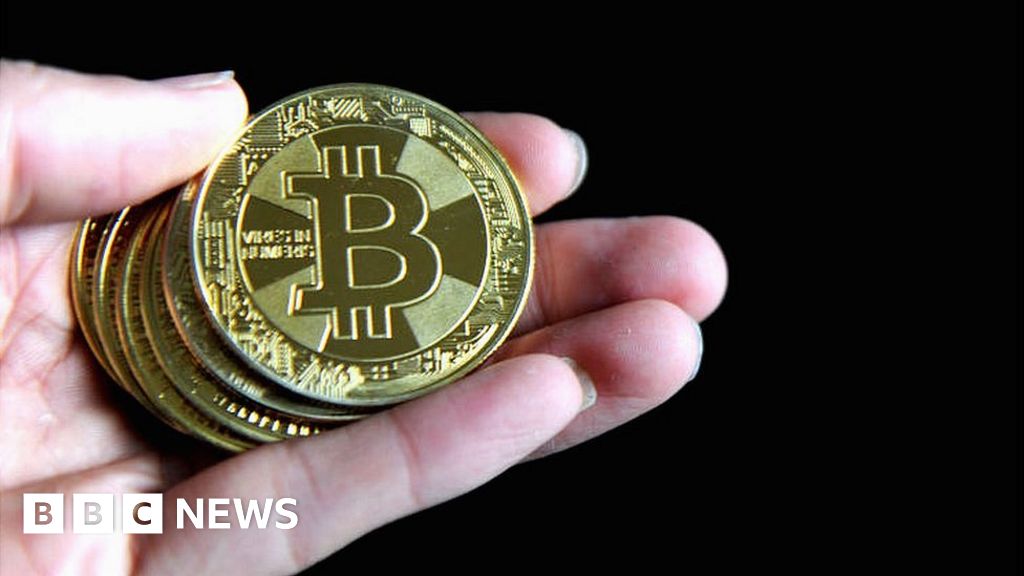
Despite the ongoing cryptocurrency slump, which has seen the bitcoin price drop below $18,000, cryptocurrency investments are gaining popularity in Europe. A recent survey conducted by the European Central Bank revealed that one in ten Europeans have invested in cryptocurrency and more than 4 million people own cryptocurrency wallets. In general, cryptocurrency investments are becoming more popular in Europe as awareness of this asset class increases and trading rules become more favorable. Read more about cryptocurrencies in Northern Europe in the new StealthEX article.
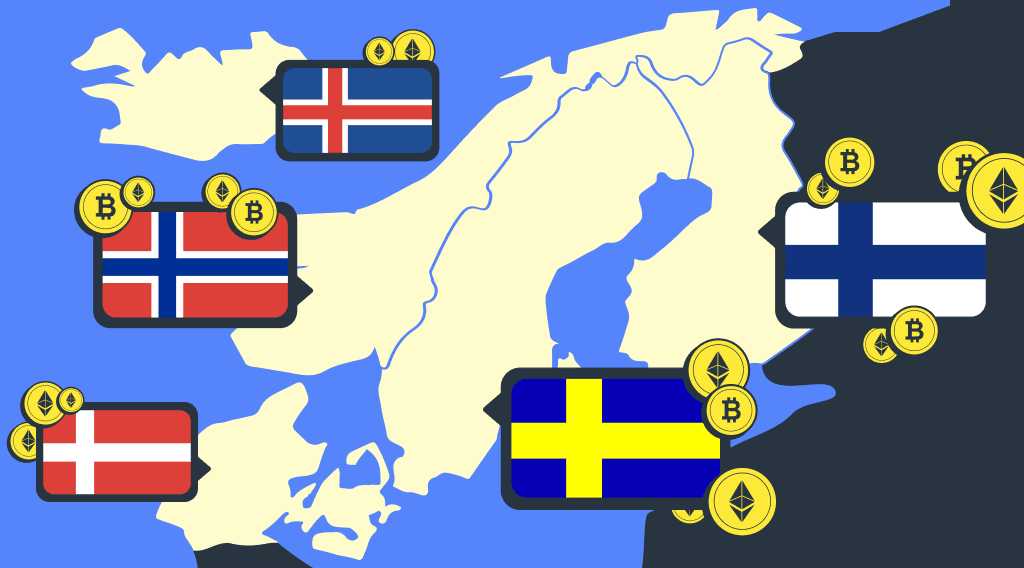
Cryptocurrencies in Northern Europe
The relationship between the European Union and Bitcoin has already strengthened. Given the rapid spread of cryptocurrencies in the modern world, we will look at the demand in Scandinavia and find out how this northern region of the European Union relates to cryptocurrencies.
Gambling in Scandinavia
Gambling has always been popular in Nordic countries such as Sweden and Norway. While other countries around the world use cryptocurrencies to pay for things like movie tickets, food, etc., online casinos are the main use case for cryptocurrencies in Scandinavia. Cryptocurrency casinos use many cryptocurrencies including Bitcoin, Ethereum, Litecoin, and others. There are three reasons for this.
First of all, crypto casinos offer anonymity. When you play at a bitcoin casino, all you need is a BTC wallet address. This means that your personal data remains completely private. Another reason for the popularity of bitcoin casinos in Sweden is that they offer fast transactions. Finally, the commissions are lower than in traditional online casinos. Some gambling experts also claim that cryptocurrency transactions allow casino users to bypass central governments and bypass state restrictions.
Bitcoin and Ethereum far surpass the most popular cryptocurrencies in the world, and this situation remains unchanged in the Nordic region. Bitcoin’s popularity in the region is also linked to mining capabilities, as Nordic countries produce electricity that is cheaper from renewable energy sources.
 Sweden
Cryptocurrencies are becoming increasingly popular in Sweden. This is partly due to the country's robust digital infrastructure and progressive attitude towards technology. Sweden is one of those countries that rarely use money and coins. The Scandinavian country, like its residents, tends to cashless payments. Cryptocurrencies offer a number of advantages over traditional currencies, including security, anonymity, and reduced transaction costs. Cryptocurrencies are considered fixed assets and are subject to capital gains tax.
In the 2022 fiscal year, capital in Sweden is generally taxed at a flat rate of 30%. However, when cryptocurrencies are held as stocks, any profit made is considered trading income. Income tax in Sweden is based on a progressive model that depends on various factors. The current average income tax rate is 32%.
Sweden is a leading developer of cryptocurrency technology. In 2014, the country's first Bitcoin ATM was installed in Stockholm. Since then, the use of cryptocurrencies in Sweden has continued to grow. A few years ago, the Polkadot exchange product was launched on the national exchange for the Scandinavian Growth Market.
List of cryptocurrencies in Sweden
The Swedish government supports cryptocurrencies and has taken a number of measures to encourage their use. In March 2018, the government announced a VAT exemption for cryptocurrencies. This move is expected to increase the use of cryptocurrencies in the country. About 3% of respondents in Sweden claim to own Bitcoin (BTC), 2% claim to own Ethereum (ETH), 1% own Dogecoin (DOGE) and 1% own Cardano (ADA).
The Swedish Central Bank also supports cryptocurrencies. In February 2018, the bank announced that it was considering issuing its own digital currency called e-krona. The e-krona is linked to the Swedish krona and is subsidized by the Swedish government. Although Riksbank has already developed the basic e-krona infrastructure based on blockchain technology, it is not a cryptocurrency. In addition, the Swedish Land Registry Lantmäteriet is working on a project that studies blockchain as a technology solution for real estate transactions.
 Norway
European crypto regulation has been generally lax, and Norway is one of those countries, even at the forefront of blockchain technology. In Norway, all crypto assets must be declared on an annual tax return and assets over NOK 1,500,000 are subject to a wealth tax of 0.7%. Any profits from cryptocurrency transactions are also subject to a capital gains tax of 22%. To get income from cryptocurrency, you have to pay 22% income tax in addition to income tax.
While it is unlikely that cryptocurrency will be banned in Northern Europe anytime soon, the Norwegian Tax Administration needs to spend more time investigating “hidden” crypto assets. The Norwegian Financial Supervisory Authority has generally considered cryptocurrency activities in the country to be highly unregulated and only monitored for money laundering purposes. They now believe that hundreds of thousands of Norwegians are advertising their cryptocurrency holdings.
In 2019, less than 5,000 Norwegians reported income or assets from cryptocurrency. In the 2020 tax return, this number jumped to more than 13,000. However, the tax administration identified about 70,000 people who own cryptocurrency. They suspect the true number may be as high as 300,000, more than 5% of Norway's population.
Cryptocurrency exchange in Norway
In December 2021, Norway Block Exchange (NBX) announced that it would be the first Nordic cryptocurrency platform to be listed on the pan-European Euronext exchange. NBX was founded in 2018 by Bjorn Keuss, who also founded Norwegian Air Shuttle and Norwegian Bank. The Norwegian blockchain and cryptocurrency trading scene appears to be on the rise, even as the government actively investigates the wealth of its citizens.
In 2021, the Financial Services Authority established a regulatory hedge fund to encourage innovation in fintech. In addition, the Norwegian Central Bank is actively investigating the Central Bank Digital Currency (CBDC), which is currently undergoing a two-year technical testing period.
 Denmark
Cryptocurrency, airdrops and mining in Denmark are subject to income tax. Any gain or loss from cryptocurrency must be reported. After allowances and labor market contributions are factored in, the Dane must pay a lower tax of 12.10% and a municipal tax of about 25%. With an income of over 552,500 DKK, citizens pay an additional tax of 15%.
The Danish government is interested in cryptocurrency. Danske Bank, Denmark's largest bank, set its official stance on cryptocurrency on June 17, 2021, and issued a four-point statement outlining reasons for caution when trading digital assets. The bank also said that it does not see any problem with the use of its credit cards in relation to cryptocurrency exchanges as long as normal anti-money laundering laws are followed.
A year ago, the Danish Ministry of Foreign Affairs published a report explaining the use of IT technologies and services, including blockchain, e-government, big data and human resources, to combat administrative or everyday corruption, as well as political corruption. . Presented at the International Anti-Corruption Conference (IACC), the report highlights the use of blockchain as a technology that will create a more transparent system for governance and transactions, adding that it will also give people more rights over their data.
There are more than 20 cryptocurrency startups in Denmark. In 2018, Copenhagen-based shipping giant Maersk and IBM announced the launch of TradeLens, a blockchain-based shipping solution designed to make global commerce more efficient and secure.
 Finland
Cryptocurrency is legal in Finland and you can buy, sell and use cryptocurrency without violating the law. However, cryptocurrency is not currently legal tender in Finland, which means that the Finnish government and Finnish companies are not legally obligated to accept it as payment for goods and services. Profits from trading or selling cryptocurrencies are taxed as capital gains and subject to capital gains tax in Finland. The capital gains tax rate is 30% for capital gains up to €30,000 and 34% above.
Although cryptocurrency is an official and legal asset in Finland, the country has taken some negative steps towards stricter regulation of cryptocurrency. In 2019, the Finnish financial regulator said that while it supervises anti-money laundering (AML) virtual currency service providers, this supervision does not cover investor protection. As of November 2019, only cryptocurrency providers that meet legal requirements can trade in Finland, and failure to comply with these requirements has resulted in bans and penalties for suppliers.
However, there are also positive developments in the Finnish crypto scene. In 2018, the Finnish government announced a collaboration with Essentia to develop blockchain-based solutions for smart logistics. There are 18 blockchain startups in the country, many of which are very successful.
Finland also actively investigates crypto crimes. The National Bureau of Investigation conducted a major fraud investigation involving Finnish victims who were deceived into investing in cryptocurrency on online platforms and promised a large percentage of their investment. As a result, the two Finnish victims lost about 250 bitcoins in total. Finnish authorities cooperated with several international partners during the investigation and were able to trace and recover some of the money invested by the victims.
 puffin island
Cryptocurrencies are not recognized as legal tender in Iceland as the Icelandic central bank does not agree that they are unregulated. It is not legal tender in Iceland, but its trade is not illegal. The Icelandic government has officially warned against trading cryptocurrencies.
However, Iceland is known for its mining prowess and was one of the leading nations. After 2010, large data centers appeared in Iceland. Data centers require large amounts of electricity to operate and protect their large processors from overheating. In 2016, data centers already accounted for 1% of Iceland's GDP, and bitcoin mining operations began soon after.
Today, Iceland is home to some of the largest bitcoin mining operations in the world. Some of them are founded by locals, others are entirely foreign owned, but bitcoin mining is big business in Iceland. According to the Icelandic Blockchain Foundation, 8% of all Bitcoin there is mined. Using geothermal and hydropower, state-owned Landsvirkjun and other power companies produce nearly 100% of the island's electricity.
Icelanders took a long time to take care of themselves, which made them look to the future. If you see encryption as the way forward, you will likely find that the vast majority of Icelanders will support it.
conclusion
Due to higher taxes in Scandinavia, the cryptocurrency space has become less active and thriving thanks to blockchain initiatives. Governments in the region are being cautious about cryptocurrencies, which may be in part due to the generally conservative Scandinavian mindset. However, the ever-growing IT sector in the Nordic countries provides a solid basis for further research.
If you want to buy cryptocurrency, you can always use the jail-free crypto exchange StealthEX. You can buy cryptocurrencies privately without having to register for the service. With over 600 different coins in our cryptocurrency collection, you can make wallet-to-wallet transfers instantly and seamlessly.
How to buy cryptocurrency cheaply?
Just go to StealthEX and follow these simple steps:
- Select the pair and the amount you want to trade. For example, trading BTC against ETH.
- Click the Start Exchange button.
- Enter the address of the recipient you want to transfer the cryptocurrency to.
- Edit the transaction.
- Get your cryptocurrency.

Follow us on Medium, Twitter, Telegram, YouTube and Reddit for the latest news on StealthEX.io and the rest of the cryptocurrency world.
Remember to do your research before purchasing any cryptocurrency. The opinions and opinions expressed in this article are solely those of the author.
accept crypto world bitcoin accept european union crypto exchangeThe post “The State of Cryptocurrency in Northern Europe” first appeared on StealthEX.